a.i. and manufacturing: the rise of intelligent production
In the pulse of today’s manufacturing world, something extraordinary is unfolding—machines are no longer merely tools, but intelligent collaborators. Artificial Intelligence (AI) is driving a revolution where factories learn, adapt, and even predict. From precision robotics that fine-tune every process to digital twins that forecast maintenance before issues arise, AI is reshaping how products are conceived and crafted.
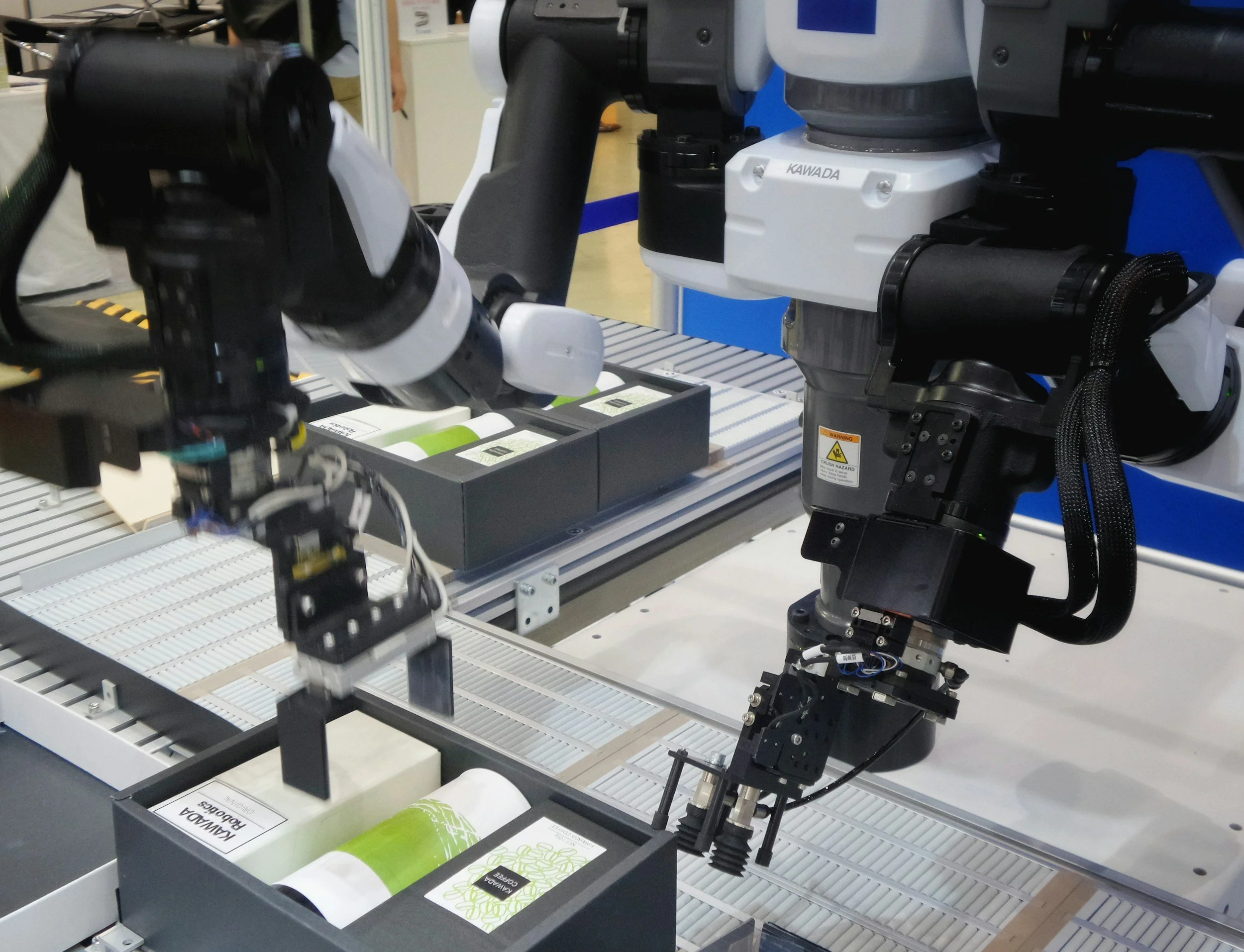
This convergence of data, creativity, and automation marks the dawn of intelligent production. the heart of this transformation extends beyond efficiency — it redefines how humans design, manufacture, and sustain the material world. manufacturing shifts from a mechanical practice into an adaptive, regenerative ecosystem built for the challenges of the modern age. Across factories, supply chains, and design studios, AI’s integration enables self-optimizing systems, predictive quality management, and sustainable production models. The convergence of data-driven insights, generative AI, and automation drives a new industrial paradigm known as Industry 4.0.
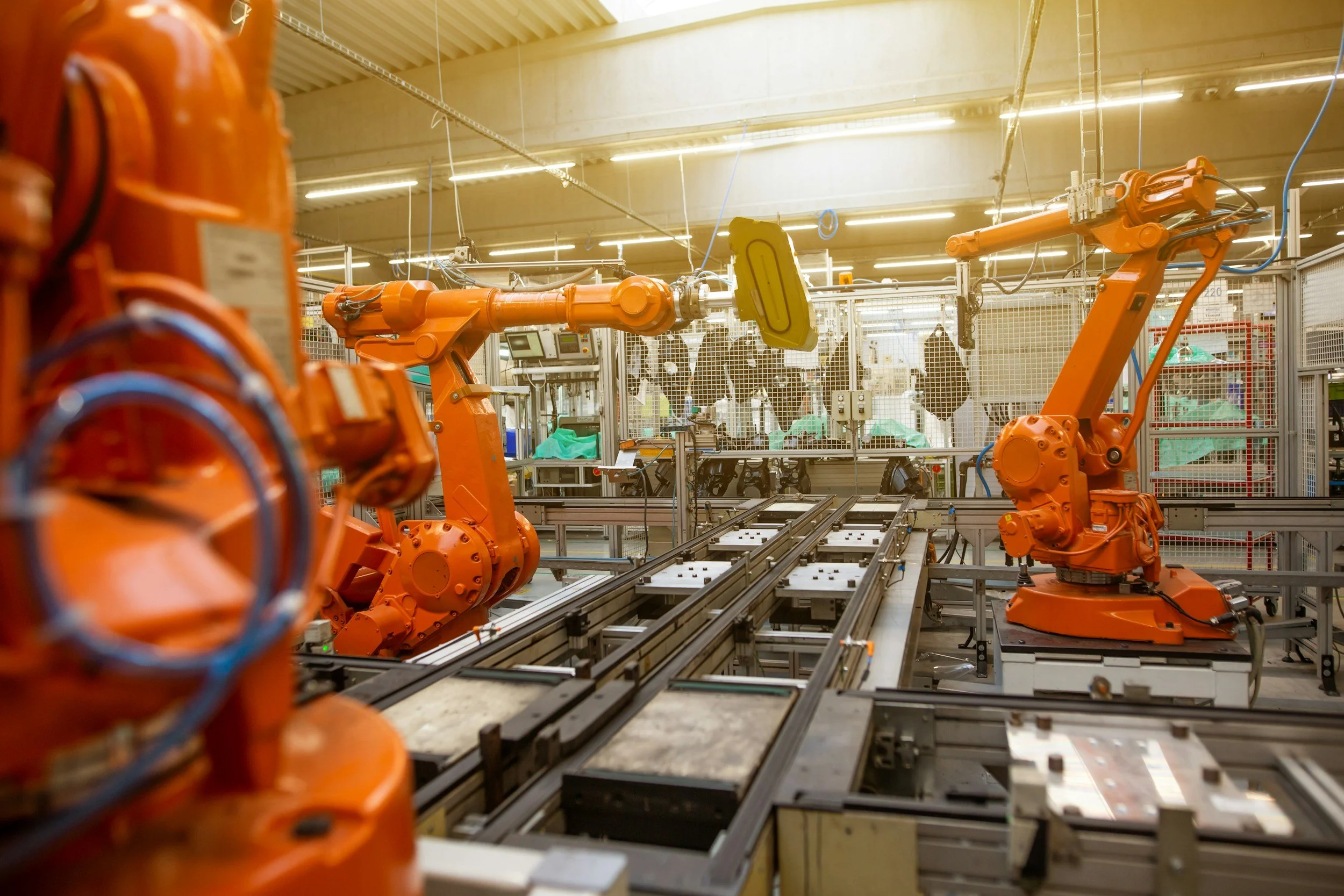
The Rise of AI-Enabled Factories
Modern smart factories leverage AI, machine learning (ML), and IoT to enhance operational intelligence. According to Siemens Digital Transformation Blog , devices and systems interconnected through IoT sensors continuously share data, allowing algorithms to identify inefficiencies, detect maintenance needs, and autonomously correct process deviations. These systems enable adaptive manufacturing—where lines adjust themselves in real time without human intervention.
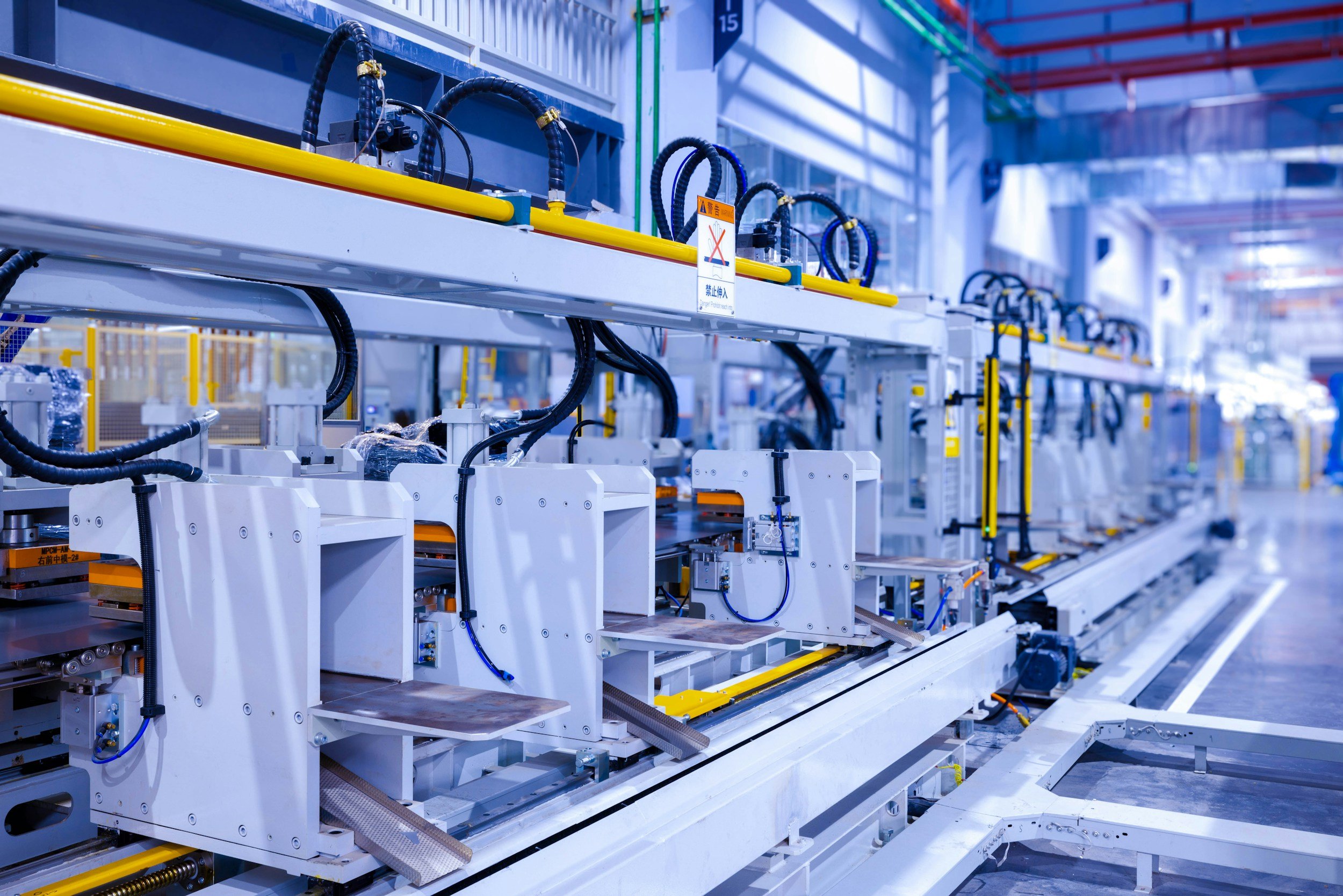
Predictive Maintenance and Digital Twins
AI’s predictive capabilities have revolutionized maintenance strategies. Through digital twins—virtual models mirroring real-world assets—manufacturers forecast machine failures with exceptional accuracy. As detailed by Jaggaer. predictive maintenance systems analyze sensor data to identify anomalies before a breakdown occurs, reducing downtime and repair costs. These systems not only enhance reliability but also extend equipment lifespan, a fundamental advantage for capital-intensive industries.
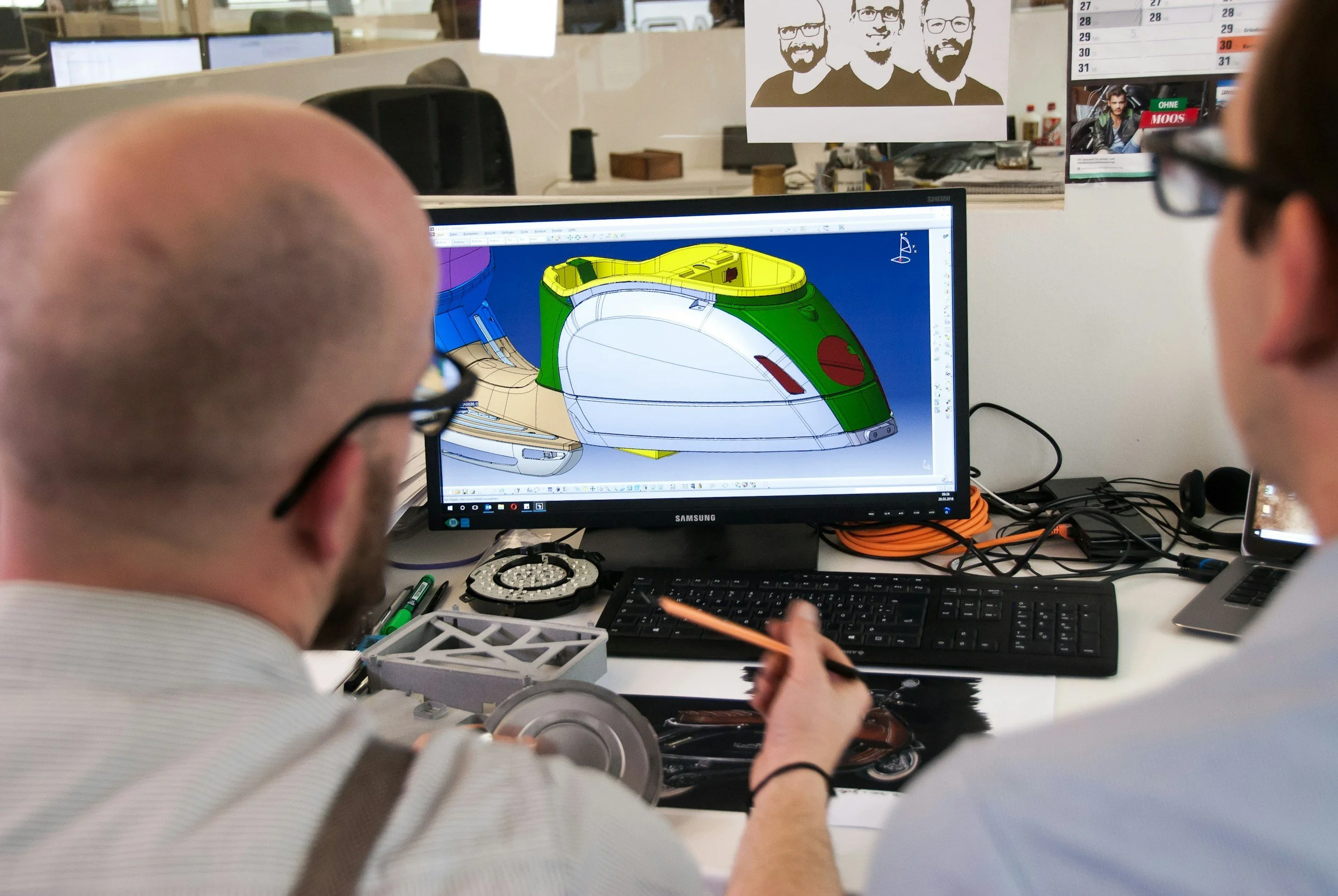
Generative AI in Design and Optimization
Generative AI is accelerating innovation by helping engineers design parts, layouts, and entire production workflows automatically. ABI Research’s report highlights critical use cases—from part nesting optimization to defect detection. Algorithms simulate multiple configurations to discover the most material-efficient solutions, boosting sustainability while cutting waste. This marks a shift from traditional CAD modeling to algorithmic innovation.
Industry 4.0 and Workforce Transformation
As Industry 4.0 matures, human-AI collaboration is central to its success. In Calsoft’s Industry 4.0 analysis , AI integration strengthens key areas — supply chain optimization, collaborative robotics (cobots), and automation-driven safety enhancements. today’s transformation focuses on knowledge augmentation, allowing skilled labor to focus on creativity and supervision rather than repetitive tasks.
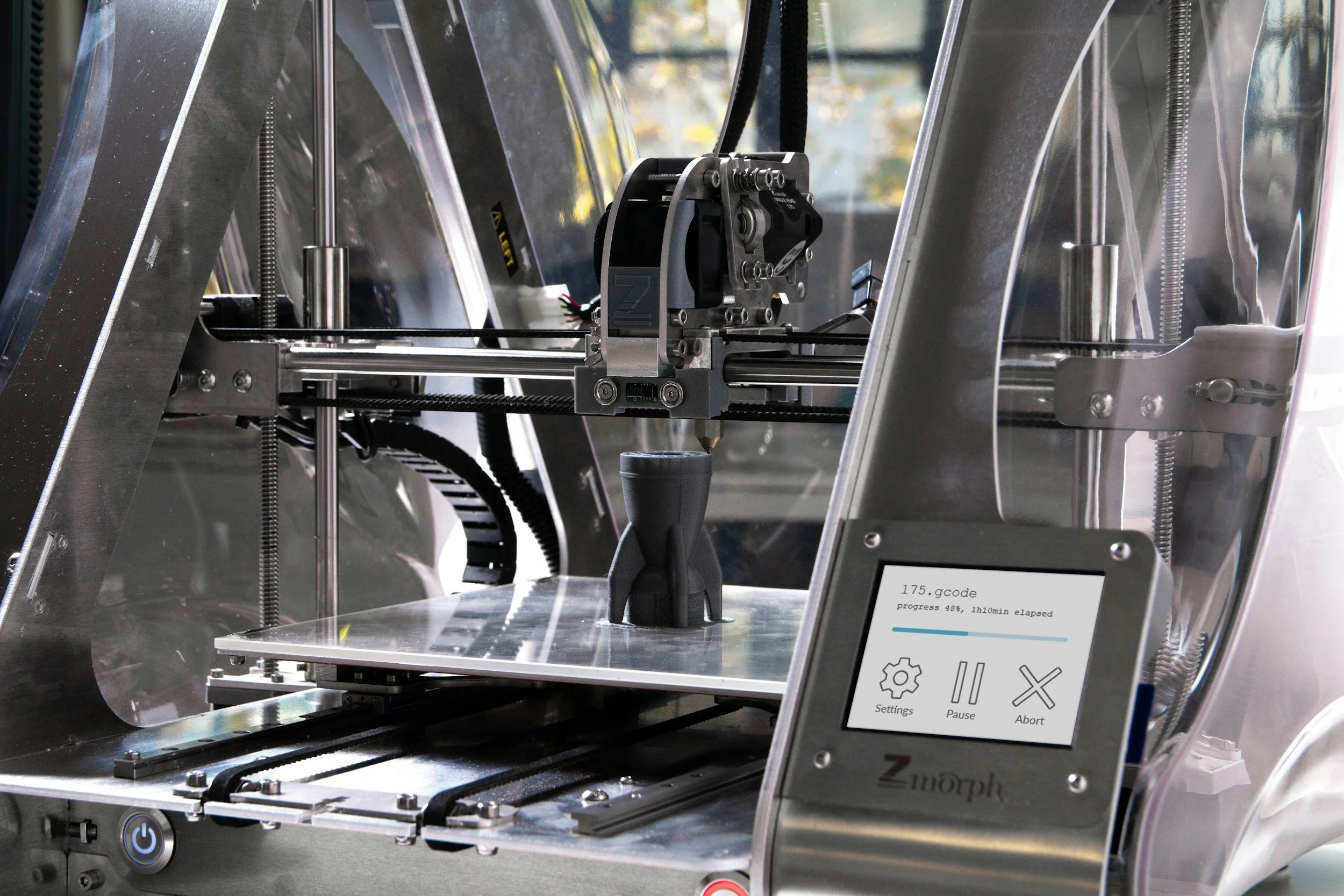
Similarly, ARi Services emphasizes AI’s synergy with cloud computing, robotics, and additive manufacturing (3D printing). This combination redefines flexibility—enabling made-to-order production and sustainable material use with minimal waste.
Smart Warehouses and Sustainability
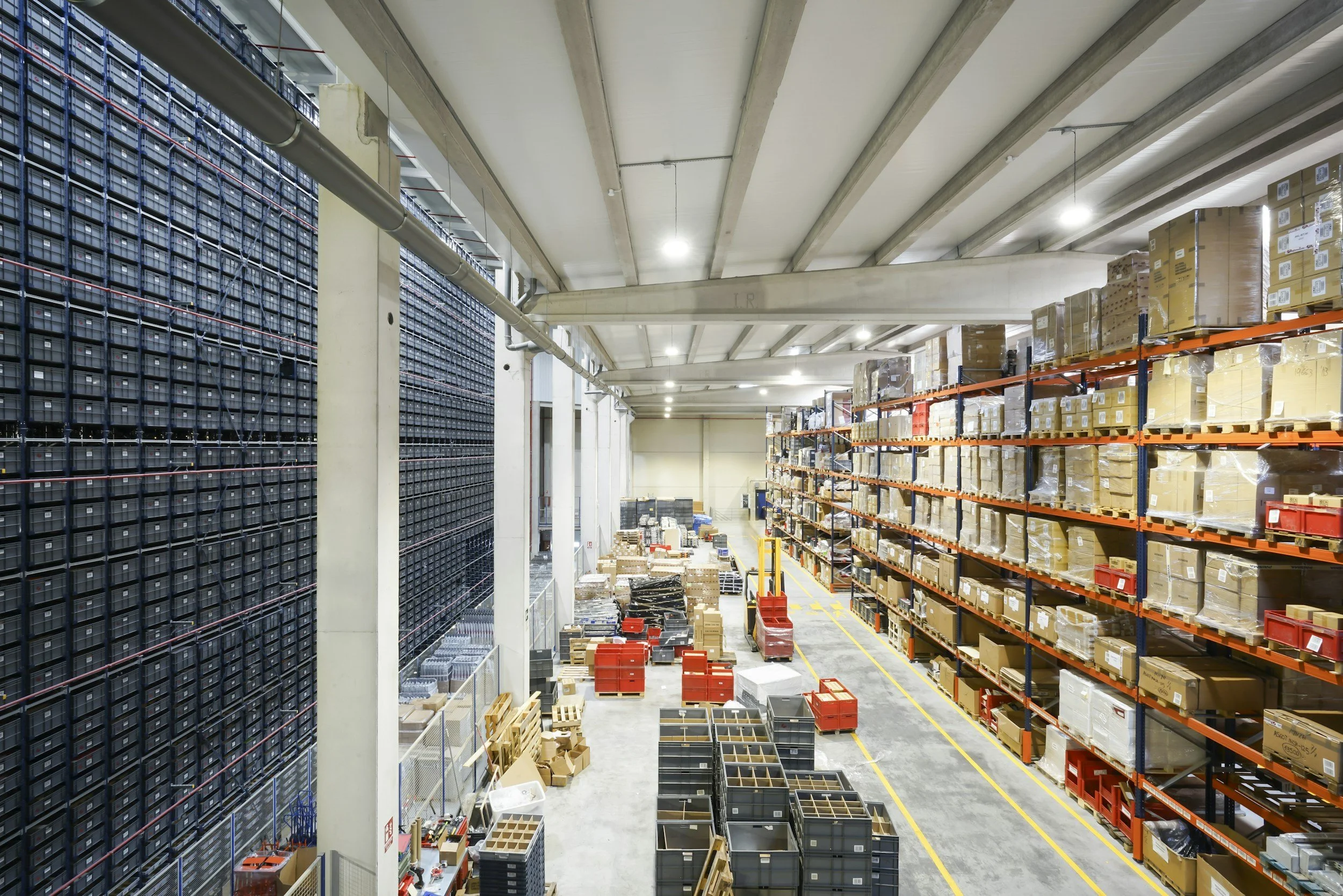
AI extends beyond production to logistics and warehousing. Jewett Construction’s 2025 report describes the rise of autonomous warehouses using AI for forecasting, routing, and real-time inventory control. These systems can dynamically optimize storage density and energy consumption, aligning with sustainability goals. Meanwhile, predictive analytics supports localized energy use strategies, directly impacting carbon footprints in manufacturing ecosystems.
Global Trends and Future Outlook
In regions such as India’s Pune industrial cluster, manufacturers are leading the transition with AI-driven efficiency programs. Modelcam Technologies’ insights describe how AI-based process learning reduces waste and stabilizes output quality through data feedback loops. Such progress underscores the globalization of AI innovation, where emerging economies adopt advanced automation as a competitive equalizer.
Looking ahead, integrating sustainability metrics into AI algorithms—such as emissions reduction and material circularity—will be critical. The next industrial landscape will balance speed with regeneration, moving manufacturing toward a net-positive production ecosystem.

References
Smart Manufacturing: The Future of Digital Factories – Siemens (2025)
5 Prominent Use Cases of Generative AI in Manufacturing – ABI Research (2024)
Industry 4.0: The Power of AI in Modern Manufacturing – ARi Services (2025)
AI and Automation in Manufacturing and Warehousing – Jewett Construction (2025)
AI in Manufacturing 2025 – Future Insights by Modelcam Technologies