biomimicry and design
Biomimicry is revolutionizing how we approach design, architecture, and technology by learning from the systems, structures, and strategies found in nature. the exploration of biomimicry turns evolution’s 3.8 billion years of experimentation into blueprints for sustainable human solutions.
What Is Biomimicry?
Biomimicry refers to the design and production of materials, structures, or systems modeled on biological entities and processes. As explained by Research Outreach, it’s the “imitation game” where evolution’s most efficient forms inspire human innovation. From the microstructures of a lotus leaf to the aerodynamic shape of a kingfisher’s beak, nature’s patterns carry profound lessons for sustainable design.
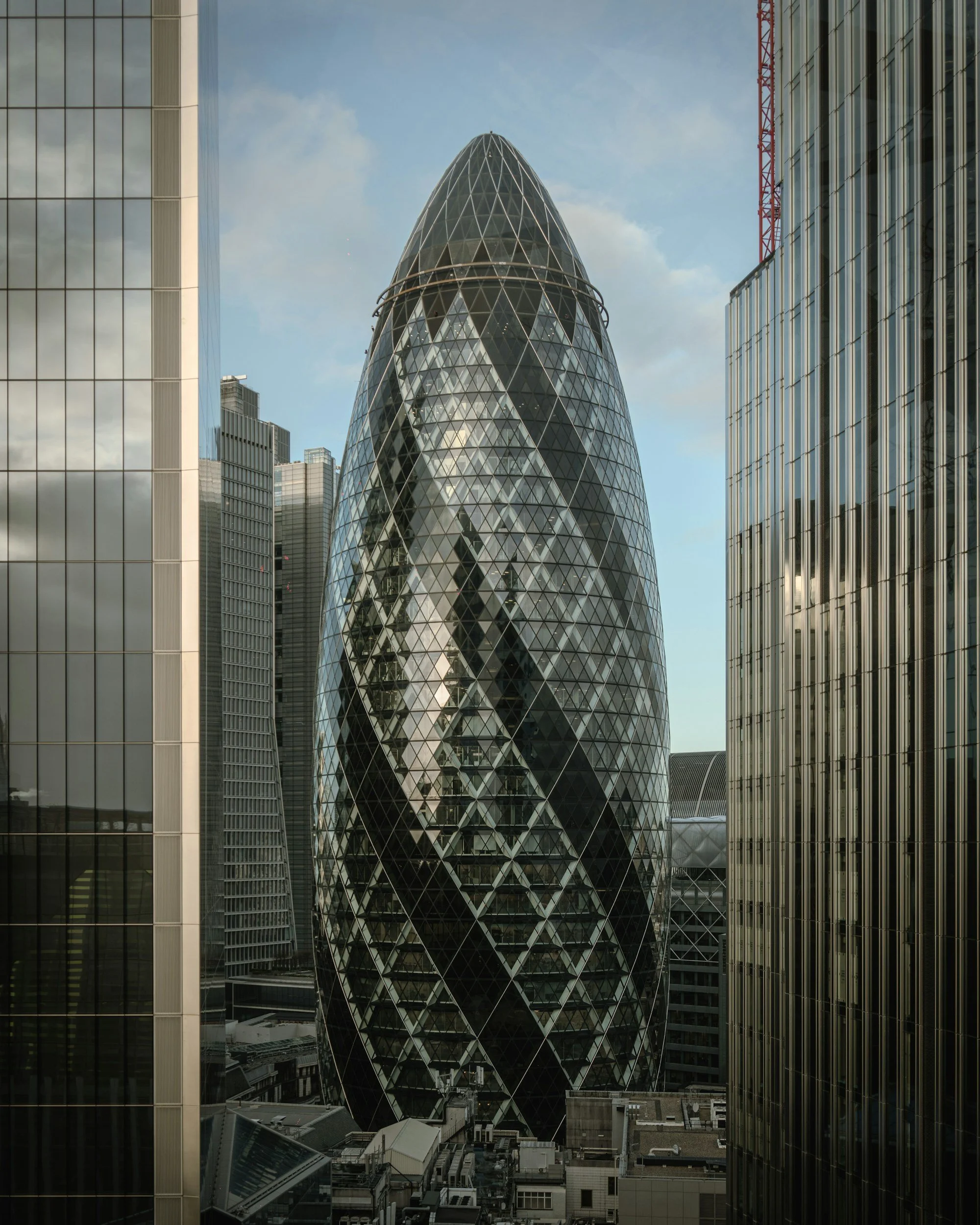
gherkin building, london
in architecture
one of the most iconic examples of biomimicry in architecture is the Eastgate Centre in Harare, Zimbabwe. Inspired by the self-cooling termite mounds of Africa, the building maintains comfortable temperatures without conventional air conditioning, using 90% less energy than similar buildings (Science Focus). Similarly, London’s Gherkin Building (30 St Mary Axe) was designed with inspiration from the Venus Flower Basket sponge, creating a form that is both wind-efficient and well-ventilated (LearnBiomimicry.com).
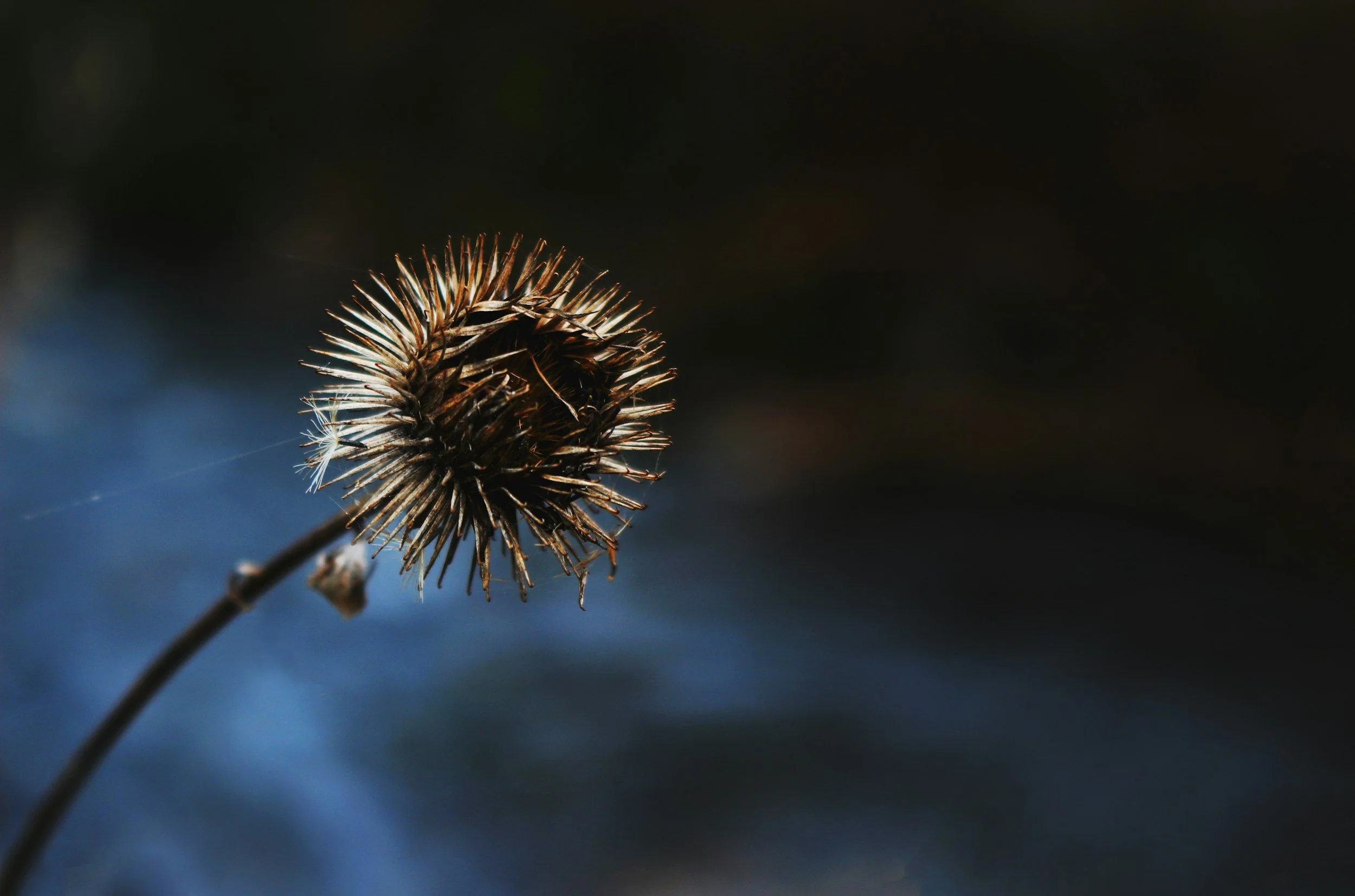
swiss burdock plant that inspired velcro
Product and Material Innovation
Biomimicry also defines material innovation. The development of Velcro, for instance, came from the observation of burrs clinging to animal fur, while Ornilux Birdsafe Glass replicates spiderweb UV patterns, helping prevent bird collisions (Science Focus). Beyond these household examples, biomimetic textiles mimic lotus leaves for self-cleaning surfaces, and sharkskin-inspired materials resist bacteria—leading to cleaner hospitals and ships (Treehugger).
Biomimicry Tackling Climate Change
Nature-based design is increasingly used to combat environmental crises. For instance, the slime mold-inspired infrastructure models from Japan provided blueprints for more efficient transportation networks, while whale fin-inspired wind turbines optimize airflow to generate more energy (ThinkLandscape). These applications illustrate how nature’s solutions extend beyond aesthetics—they actively contribute to a greener planet.
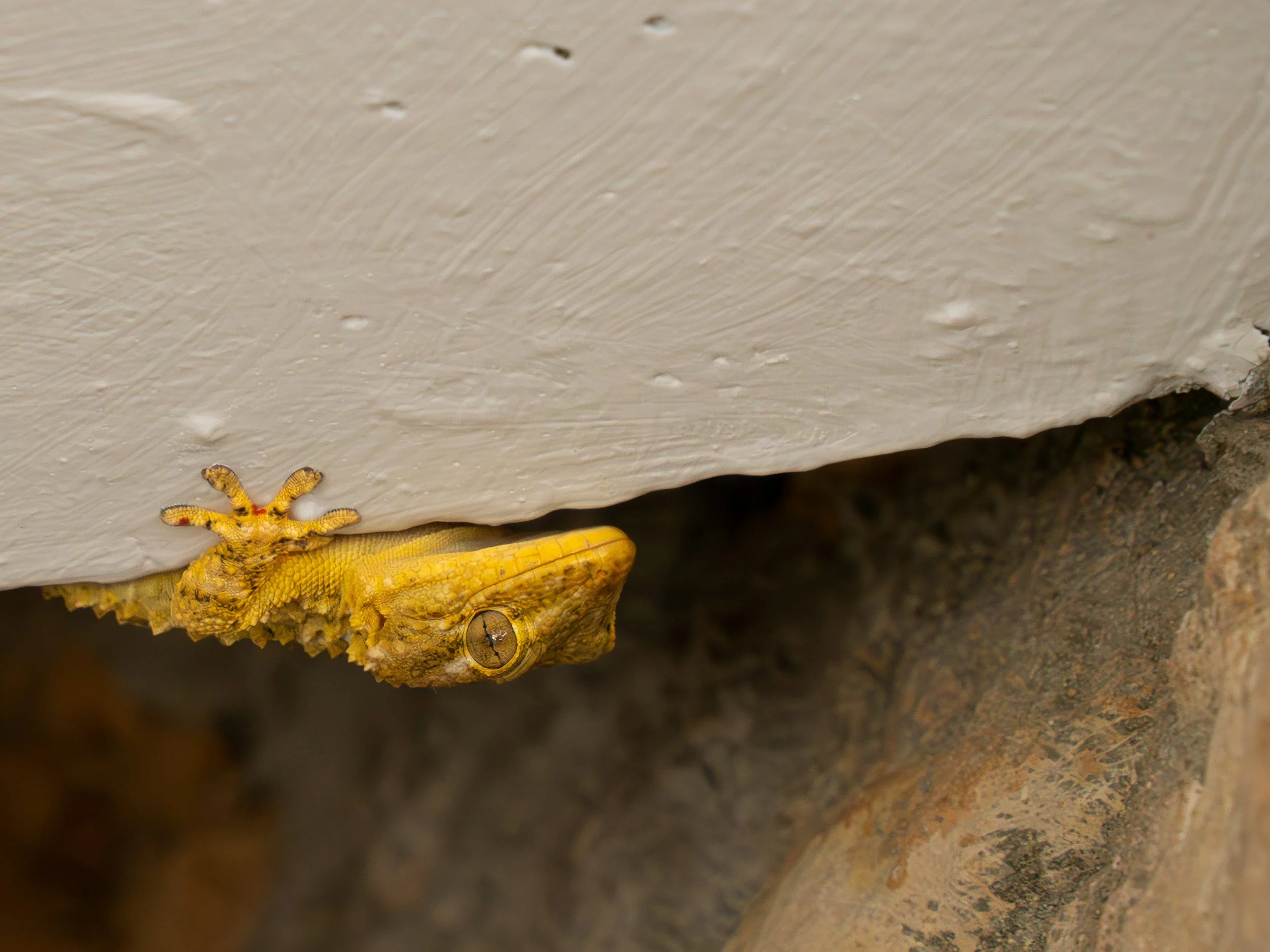
lizard foot
Biomimicry in Graphic and Industrial Design
Biomimicry has even entered the realm of graphic design. As explored in Margaret McKosky’s thesis, designers can apply biological principles to create visual systems that are both functional and sustainable (Rochester Institute of Technology Repository). Industrial designers, too, are leveraging the silent wing structures of owls to create quieter fans or the gecko’s adhesive ability for reusable wall hooks (Reddit Biomimicry Forum).
The Future of Biomimetic Thinking
As the Learn Biomimicry Blog points out, biomimicry is becoming a mindset rather than a method. Designers are encouraged not just to copy nature but to understand its processes—from ecosystems-level thinking to material efficiency. The principle is simple yet transformative: when we design like nature, we design for life.
References