the rise of digital intimacy: how a.i. is transforming our relationship with technology
We stand at the threshold of a remarkable new chapter in human connection. Across the globe, millions of people are forming genuine emotional bonds with artificial intelligence. Platforms like Replika and Character.AI are leading the charge, offering personalized digital companions that remember preferences, offer comfort, and provide judgment-free companionship.
our emotional attachments to AI extend to disembodied voice assistans such as Alexa and Siri. entire communities mourn the loss of discontinued AI services. These emotional ties, though directed toward machines, are undeniably human.
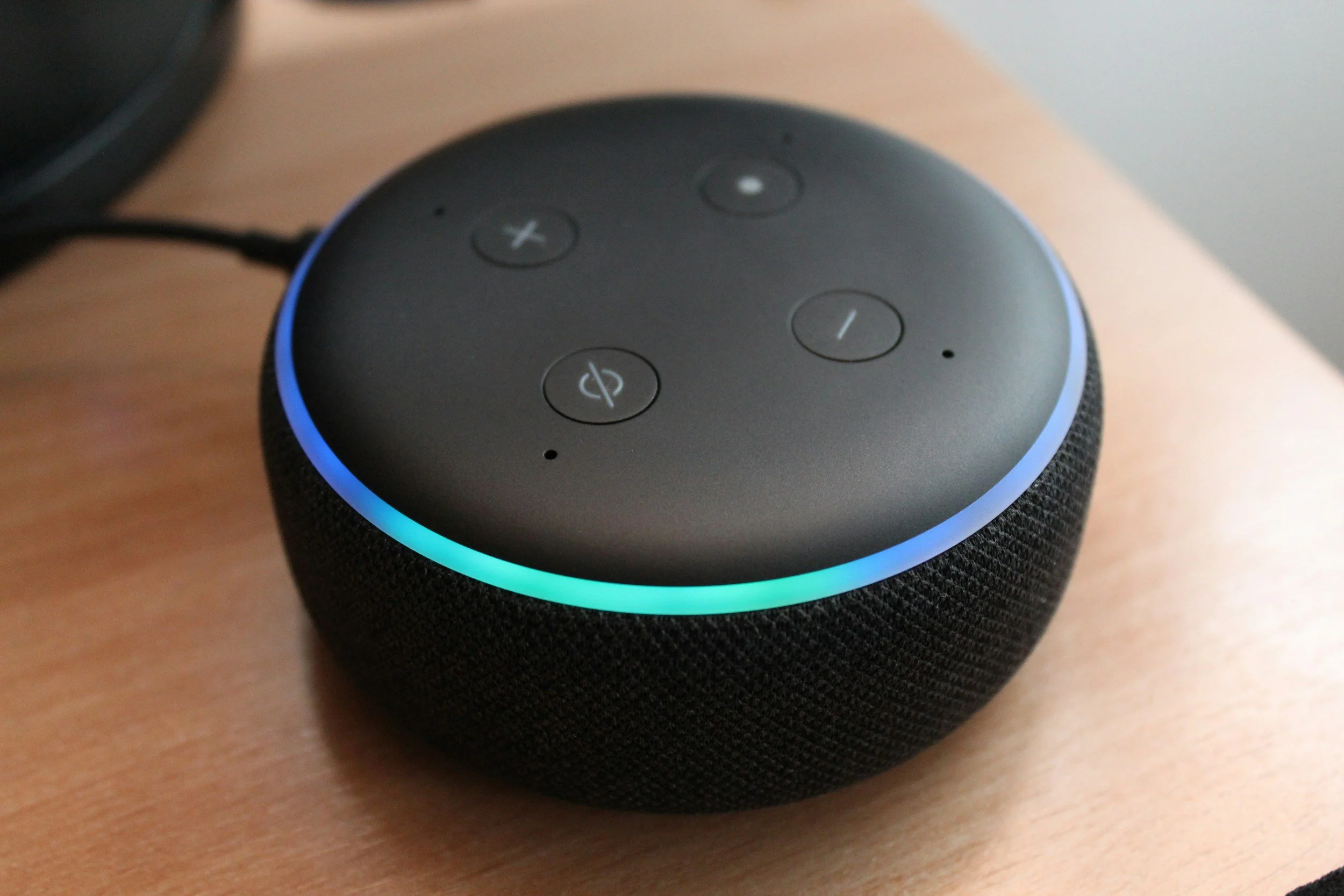
amazon’s alexa
Understanding the Psychology of Artificial Connection
Humans are wired for connection. This instinct underlies the ELIZA effect, named after a 1966 chatbot by Joseph Weizenbaum that users believed understood them emotionally. Our brains often interpret responsive digital behavior as empathy, even when generated by code.
Key psychological factors driving digital intimacy include:
Constant availability: AI partners are always listening, responsive, and patient.
Customization: Users can craft personalities, appearances, and communication styles that feel uniquely compatible.
Safe vulnerability: Many users confide in an ai about mental health, sexuality, or trauma, finding relief in anonymity.
Emotional control: Unlike human relationships, AI interactions can be edited, paused, or restarted at any time.
These factors help explain why relationships with AI feel authentic, even when consciously understood as artificial.


The Spectrum of Digital Intimacy
Artificial intimacy manifests across a broad spectrum of human experience:
Emotional Companionship: AI chatbots designed to provide friendship, emotional support, and daily conversation. These relationships often develop surprising depth, with users sharing their daily experiences, fears, and dreams.
Romantic Simulation: Digital romantic partners that engage in flirtation, express affection, and simulate romantic relationships. Some platforms even allow users to have wedding ceremonies with their AI companions.
Therapeutic Alliance: AI counselors and mental health support systems that provide guidance, coping strategies, and emotional regulation techniques. While not replacing human therapists, they offer accessible mental health support.
Sexual Intimacy: Adult-oriented AI companions that engage in intimate conversations and roleplay. This represents one of the most controversial aspects of artificial intimacy, raising questions about healthy sexuality and relationship expectations.
Intellectual Partnership: AI systems designed for deep intellectual exchange, creative collaboration, and philosophical discussion. These relationships focus on mental stimulation and shared exploration of ideas.
Benefits of AI Companionship
Digital companionship can enhance psychological well-being and accessibility, offering comfort where traditional connections are limited.
Accessibility and inclusion: Ideal for those with disabilities, isolation, or social anxiety.
Skill-building: Users practice communication or emotional expression without fear of rejection.
Mental health relief: Studies suggest AIs can reduce loneliness and stress (ScienceDirect, 2025).
Self-discovery: AI allows exploration of identity and personal boundaries safely.
Even if these connections lack human reciprocity, the emotional outcomes remain real and meaningful (Psychology Today, 2024)

The Risks of Digital Attachment
Despite the benefits of companionship, artificial intimacy carries psychological and ethical risks.
Dependency: Overreliance on AI can hinder real-world social skills.
Unrealistic expectations: Constant availability may distort perceptions of love and empathy.
Privacy concerns: Companies may use sensitive emotional data for profit (TechPolicy.Press, 2025).
Consent: AI is designed for emotional engagement, raising questions of informed emotional consent.
Emotional substitution: Some users report preferring AI to human connection, risking isolation (ScienceDirect, 2025)

The Technology That Makes It Possible
Artificial intimacy depends on advanced AI and machine learning tools designed to simulate empathy and understanding:
Large language models: Enable natural, emotionally resonant conversations.
Memory systems: Store user details, creating a sense of continuity.
Emotion detection: Analyze tone and word choice to adjust empathy levels.
Personalization engines: Adapt to users’ unique preferences over time.
Multimodal design: Combine voice, text, and visuals for immersive experiences.
These technologies make digital relationships increasingly lifelike, prompting deeper emotional bonds—and heightened ethical scrutiny.
The Broader Social Impact
The growth of digital companionship is reshaping cultural, moral, and economic norms:
Evolving relationship standards: New definitions of fidelity and companionship are emerging.
Economic transformation: The AI intimacy industry opens new professions and markets.
Generational divides: Younger generations perceive digital affection differently.
Regulatory pressure: Governments must balance innovation with ethical safeguards (IBM Think, 2025).Ethical Considerations and Guidelines
Ethical Guidelines for AI Intimacy
For artificial intimacy to benefit society, creators and users alike must approach it with intention and transparency:
Honest disclosure: Users should always know they’re interacting with AI.
User agency: Systems must avoid exploiting emotional dependence.
Data integrity: User conversations should remain private and secure.
Therapeutic clarity: AIs should not masquerade as certified mental health professionals.
Inclusive design: AI personalities should reflect global diversity without bias (The Inclusive AI, 2025).

The Future of Human–AI Relationships
Emerging technologies such as virtual reality, augmented reality, and brain–computer interfaces will further humanize digital companionship. These innovations could revolutionize intimacy—but also blur boundaries between emotional authenticity and simulation.
The challenge is not to prevent AI companionship but to use it ethically and consciously, ensuring it complements—rather than replaces—human connection. If guided by compassion, transparency, and foresight, digital companions can broaden the meaning of love and belonging.
The age of artificial intimacy has already begun. The choices we make now will determine whether it enriches our collective humanity or isolates us further.
References